


No Disabled Child Left Behind
Sightsavers is working to change social attitudes toward disabled children through community-centered education in Malawi.
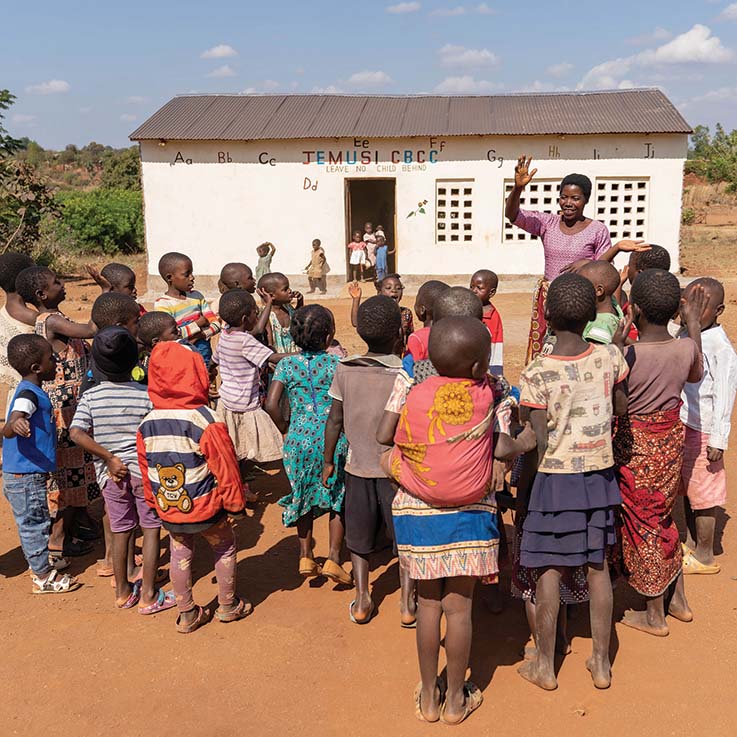
Sightsavers is working to change social attitudes toward disabled children through community-centered education in Malawi.
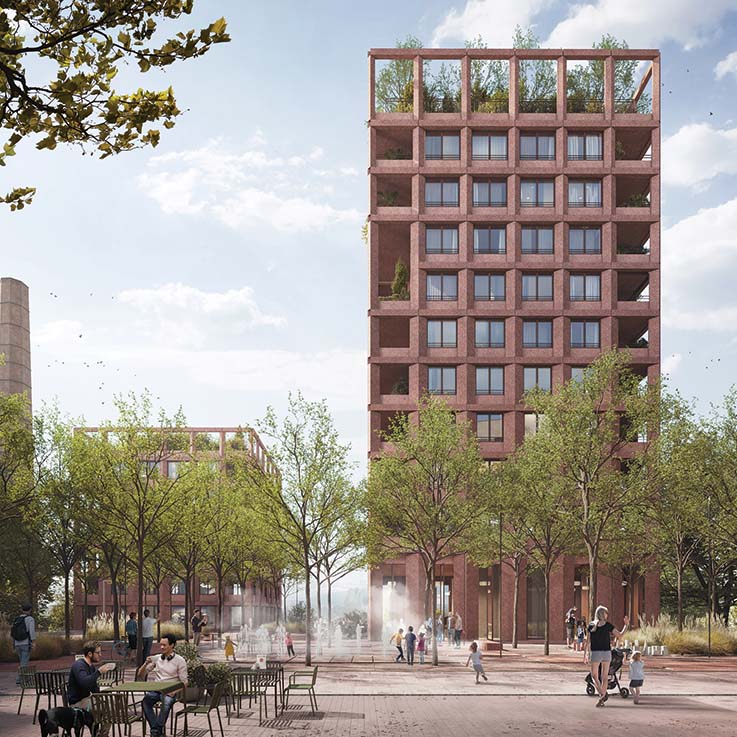
A multinational team is upcycling old concrete and brick for new buildings in the Czech Republic.

Social enterprise Take2’s training and support program provides a pathway to job security after incarceration.
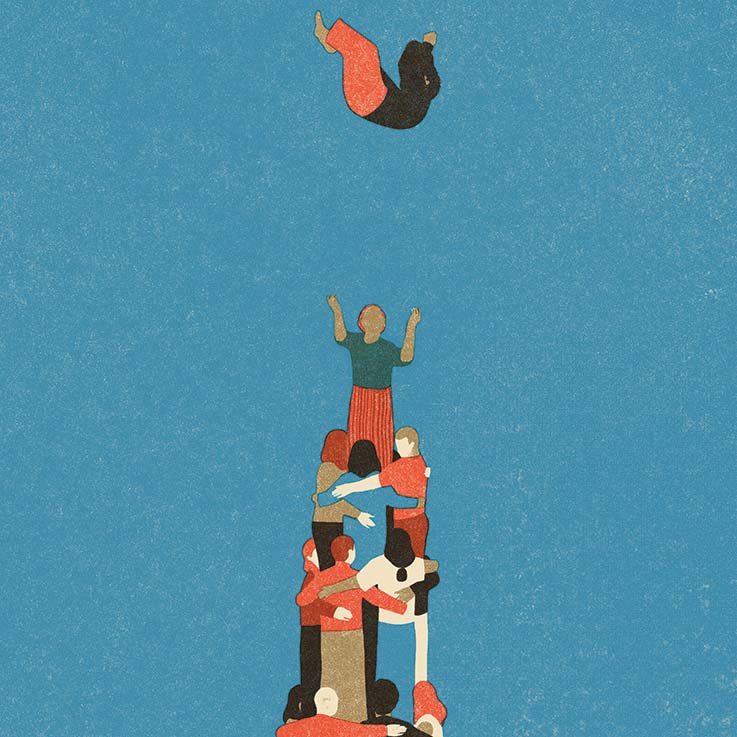
For the past two decades, the Jed Foundation has led the fight to address the mental health crisis among American youth. Its story highlights the importance of addressing the cultural causes of the mental health crisis through systems change. | Open access to this article is made possible by the Jed Foundation

A lack of resources should not prevent young people from serving their communities.

A small foundation that eschews perpetuity in favor of maximizing social impact can continue to sustain and scale long after its doors close. | Open access to this article is made possible by the Linked Foundation.

Current scientific approaches to agricultural sustainability may in some contexts prove counterproductive to environmental preservation.

The future of money may be digital, but we must not underestimate the resilience and freedom that cash offers.

Government agencies are more likely to incorporate effective interventions if they apply to activities they are already doing.

Private companies and public institutions struggle to get as much done together as private companies working together in groups.